

ABOUT PSEUDOGYNECOMASTIA
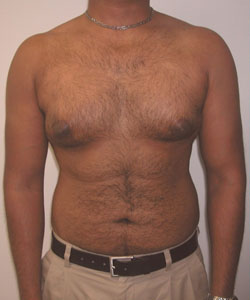
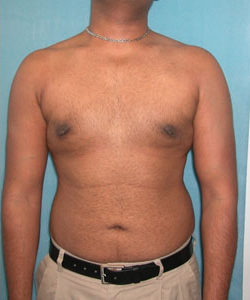
The condition in which the male breasts are mainly composed of fatty tissue is called pseudogynecomastia.
Pseudogynecomastia looks much like real gynecomastia but has no medical reason for being there except for the patient being overweight. With genuine gynecomastia there are myriad reasons it occurs, some natural and some medically induced. This can range from side effects from prescription medication, to the use of recreational drugs, onset of puberty, or an underlying medical condition.
Proper diet and exercise are essential and should always be tried before male breast reduction surgery and/or breast liposuction. In cases of pseudogynecomastia, this surgery should preferably be done after serious efforts have been made to remedy the problem through weight loss. The condition can sometimes be corrected through diet and exercise. However, often the condition does not right itself, and to regain a more masculine chest shape, surgery is needed. Gynecomastia is one of the main reasons that men seek cosmetic surgery today. Liposuction may offer immediate results since the area surrounding the breast in this type of gynecomastia is mainly fatty tissue.
A standard male adipose distribution that is hormonal in nature appears as a circular pattern around the chest and a second area of fat around the abdomen (belt area). This adipose tissue distribution is exaggerated in cases of pseudogynecomastia, in which the fat may extend to the armpits and the back.
Large male breasts can be composed of either so-called "soft fat" or “hard fat.” In the case of soft fat, liposuction is relatively easy. On the other hand, hard fat is composed of more fibrous tissue, which may make liposuction more difficult and increase the possibility of bleeding.
Youth and breast skin elasticity are both factors that may contribute to better results from male breast reduction surgery. In obese individuals, the fatty breast tissue may extend into the breast gland tissue and the pectoralis muscle. Liposuction of the breast may have to be extended to the armpits (axillas) and other areas.
Some men have Male Breast Ptosis (drooping breasts) in which the areola lies below the lower edge of the pectoral chest muscles. This loose skin and lax tissue result from aging, loss of muscle mass, and weight loss. When there is excess skin, breast liposuction combined with gland excision may not be sufficient. Breast skin excision may be necessary, a procedure called "Mastopexy."
As with all cosmetic surgery, results will be rewarding if expectations are realistic. However, as with any surgery, there are some risks that your doctor will discuss with you.
IDEAL CANDIDATES FOR SURGERY
Age and Overall Health
Ideal candidates for pseudogynecomastia surgery are typically adults in good overall health. Candidates need to have stable physical health without any serious medical conditions that could impair healing. Additionally, individuals should be non-smokers or willing to quit smoking before surgery, as smoking can complicate recovery and outcomes.
Skin Elasticity and Firmness
Good skin elasticity and firmness are necessary for optimal results in pseudogynecomastia surgery. This ensures the skin can retract and conform to the new chest contour post-surgery. Younger patients generally have better skin elasticity, but individual variations exist.
Realistic Expectations and Commitment to Maintaining Results
Candidates must have realistic expectations about the surgery's results and a commitment to maintaining a healthy lifestyle to preserve their new chest contours. Understanding that surgery can improve but not perfect the appearance of the chest is vital for satisfaction with the outcomes.
CONSULTATION PROCESS
During a consultation with Dr. Blau and Dr. Zellner, you will discuss your goals and desired outcomes. This initial conversation helps our team understand your expectations and assess whether they are achievable through pseudogynecomastia surgery. They will also review your medical history, including any previous surgeries and current medications, to see if you are a suitable candidate for surgery.
A physical examination of the chest area will be conducted to evaluate the extent of pseudogynecomastia and plan the appropriate surgical approach. Additionally, the consultation will discuss various treatment options, with the surgeons explaining specific procedures such as liposuction and determining which method is best suited for your condition.
Surgical Techniques
Tumescent Liposuction Process
Tumescent liposuction is a common technique used for chest fat removal. This method involves injecting a tumescent solution into the fatty tissue, which numbs the area and shrinks blood vessels, reducing bleeding. The fat is then suctioned out through small incisions.
VASER Liposuction and Its Benefits
If VASER liposuction is offered, it can provide additional benefits. VASER uses ultrasonic energy to break down fat cells before removal, allowing for more precise contouring and potentially smoother results. It can also be beneficial for areas with dense fat.
Anesthesia Options
The anesthesia depends on the extent of the surgery and patient preference. Options include local anesthesia with sedation, where only the chest area is numbed, or general anesthesia, where the patient is fully asleep during the procedure.
RECOVERY AND AFTERCARE
Pain Management Strategies
Post-surgical pain can be managed with prescribed medications. Over-the-counter pain relievers may also be recommended. Following Dr. Blau and Dr. Zellner’s instructions for pain management is crucial for a comfortable recovery.
Expected Swelling, Bruising, and Discomfort
Swelling and bruising are common after pseudogynecomastia surgery and typically subside within a few weeks. Mild to moderate discomfort can be expected, which diminishes as the healing progresses.
Restrictions on Activity and Exercise
Patients should avoid strenuous activities and exercise for a few weeks post-surgery. The surgeon will guide the gradual resumption of activities based on individual recovery progress.
Wound Care and Dressing Changes
Proper wound care is essential to prevent infection and promote healing. Follow Dr. Blau and Dr. Zellner’s instructions for dressing changes and cleaning the surgical area.
Timeline for Recovery and Returning to Normal Activities
The initial recovery period usually lasts about one to two weeks, during which rest and limited physical activity are recommended. Most patients can return to normal activities and work within two to four weeks, with full recovery expected in a few months.
RISKS AND COMPLICATIONS
Infection
While rare, infections can occur and require prompt medical attention. Following post-operative care instructions can minimize this risk.
Bleeding
Minor bleeding is expected, but significant bleeding is uncommon. If you experience excessive bleeding, contact our office immediately.
Scarring
Scarring is a potential risk, though typically minimal, with liposuction techniques. The scars usually fade over time.
Temporary Loss of Sensation
Temporary loss of sensation in the chest area is common and usually resolves within a few months as nerves heal.
LONG-TERM RESULTS
To maintain postoperative results, we encourage patients to maintain a stable, healthy weight. Significant weight gain can lead to a recurrence of chest fat. Although the fat cells removed during the surgery do not return, remaining fat cells can enlarge with weight gain, potentially affecting the surgical outcomes.
CONSULT WITH DR. BLAU AND DR. ZELLNER TODAY
If you are considering pseudogynecomastia surgery, schedule a consultation to discuss your options. Dr. Blau and Dr. Zellner specialize in male breast reduction, using advanced liposuction techniques for effective chest fat removal. With a high success rate and a commitment to patient-centered care, we are dedicated to helping you achieve your desired outcomes.
Youth and breast skin elasticity are both factors that may contribute to better results from male breast reduction surgery. In obese individuals the fatty breast tissue may extend into the breast gland tissue and the pectoralis muscle. Liposuction of the breast may have to be extended to the arm pits (axillas) and other areas.
Some men have Male Breast Ptosis (drooping breasts) in where the areola lies below the lower edge of the pectoral chest muscles. This loose skin and lax tissue result from aging, loss of muscle mass, and weight loss. When there is excess skin, breast liposuction combined with excision of the gland may not be sufficient. Breast skin excision may be necessary; a procedure called "Mastopexy."
As with all cosmetic surgery, results will be rewarding if expectations are realistic. As with any surgery, there are some risks which your doctor will discuss with you.