

About Breast Reduction Surgery for Men
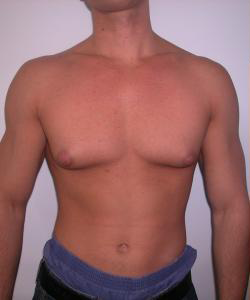
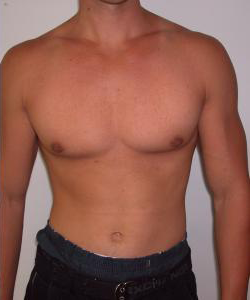
Breast reduction surgery is not a subject that is often associated with men, but a condition that requires it is quite common. The medical term gynecomastia means “woman-like breasts.” This condition in one or both breasts affects an estimated 40 to 60 percent of men. While certain drugs and medical conditions can contribute to breast overdevelopment, most cases do not have a known cause (medically termed “idiopathic gynecomastia”).
What is Male Breast Reduction Surgery?
Breast reduction surgery can address this problem for men who feel self-conscious about their appearance. The male breast reduction procedure is designed to remove fat and/or glandular tissue from the breasts, and, in rare cases, excess skin. The result is a flatter, firmer chest consistent with a masculine body contour. As with all cosmetic surgery procedures, healing and final results are very individualized.
If you think you are a candidate for gynecomastia correction, the following information will help you to understand the procedure. Scheduling a consultation with a board-certified plastic surgeon in White Plains, NY that has significant experience with this type of surgery is the best way to have your circumstances addressed and all of your specific questions about male breast surgery answered.
To schedule a consultation with Dr. Blau, please call (914)-428-4700 or email cosmeticdr@nullgmail.com.
Best Gynecomastia Candidate
Male breast reduction surgery can be performed on men of any age who are in good physical and emotional health. The best candidates for this surgery have firm skin with sufficient elasticity to adapt to the body’s improved contours.
Certain lifestyle factors can contribute to this condition. Overweight men should first attempt to correct their enlarged male breasts through weight loss and exercise. Obese men are not ideal gynecomastia surgery candidates. Also, men who drink alcoholic beverages in excess, or regularly smoke marijuana, should stop the use of these substances, as they may have caused their enlarged breasts. The same is true of anabolic steroids. In these cases, it is best to see if the breast fullness diminishes through non-surgical means before surgery is suggested.
Preparing For Your Male Breast Reduction Surgery?
Before undergoing male breast reduction in New York City, our team must assess your body and overall health. Candidates will be asked questions related to their present and past medical conditions, including any medications that may be in use. You will be provided with pre-surgical instructions regarding the steps you should take to ensure the best results possible.
These instructions will require you to stop taking certain medications and avoid using alcohol or tobacco products as mentioned above.
Some of the tests that may precede a gynecomastia treatment include:
- Mammograms
- Blood test
- MRI scan
- CT scan
- Biopsy
- Testicular ultrasound
Other than gynecomastia surgery, there are other treatment options to cure enlarged breasts in men, such as the following.
Healthy Diet and Exercise – Some of the biggest contributors to gynecomastia are lack of exercise and an unhealthy diet. These can lead to the buildup of large deposits of fat, as well as causing hormone imbalances.
By maintaining a proper exercise routine and a healthy diet with all the nutrients that the body needs, the excess fat can be reduced, correcting the issue.
Avoiding Drugs and/or Steroids – Abusing drugs and steroids has been known to result in the unnatural enlargement of male breasts. Cutting back or quitting the abuse altogether would be advised before considering a surgical solution.
Adjusting Medications – Certain medications can cause gynecomastia. Speak with Dr. Blau regarding your current medications and supplements so that he can adjust them accordingly.
Drinking Less Alcohol – Reducing the amount of alcohol that one drinks can help prevent or reduce male breast enlargement. Patients can still enjoy alcoholic beverages in moderation.
Treatments for Hormonal Imbalance – Hormone treatments can correct the hormonal imbalance that is causing the enlargement of the male breast tissues. It can minimize the size of the patient’s chest and keep the issue from getting worse.
What to Expect During the Procedure
The male breast reduction surgery will begin with the administration of an anesthetic to help you feel comfortable during the surgical process. Once the anesthetic has taken effect, incisions will be made in the designated area. Through the incisions, excess tissue and fat will be removed from the chest. It will then be recontoured to fit the desired proportions of a masculine chest. Once the corrections are made, the incisions will be closed and bandaged.
HOW MUCH DOES BREAST REDUCTION FOR MEN COST IN WHITE PLAINS, NY?
Gynecomastia surgery varies in price. The details of one’s male breast reduction determine the overall cost. Typically, the price of breast reduction for men is affected by anesthesia fees, techniques employed during the surgery, and total surgery time.
Contact Our Office
Male breast reduction is a safe and highly effective cosmetic procedure that can help men experiencing gynecomastia reclaim confidence in their bodies. If you’re interested in learning more about the surgery, contact our office in NYC to schedule your informative consultation today .